
Left Ventricular Assist Devices (LVADs) have transformed the management of advanced heart failure by providing mechanical circulatory support for patients awaiting heart transplantation, recovering cardiac function, or requiring long-term destination therapy. While LVAD technology itself has undergone remarkable advancements, the supporting ecosystem of medical wearables designed around these devices has become equally important in improving patient safety, mobility, comfort, and quality of life.
Modern LVAD gear innovations represent a significant evolution in patient-centered healthcare design. Specialized wearable solutions now address critical challenges associated with carrying controllers, batteries, driveline management systems, and emergency equipment while maintaining comfort and independence. These advancements have enabled many LVAD recipients to engage more confidently in daily activities, social interactions, travel, and physical rehabilitation.
The emergence of purpose-built wearable systems, including specialized shirts, vests, harnesses, and stabilization garments, demonstrates how medical wearables are increasingly integrating engineering, ergonomics, textile technology, and patient feedback. Understanding these innovations is essential for healthcare professionals, caregivers, patients, and industry stakeholders seeking to optimize outcomes in advanced cardiac care.
Understanding LVAD Technology and Wearable Support Systems
What Is an LVAD?
A Left Ventricular Assist Device is a mechanical pump that assists the left ventricle in circulating blood throughout the body. Unlike an artificial heart, an LVAD works alongside the patient's existing heart to improve cardiac output and organ perfusion.
Modern LVAD systems typically consist of:
An implanted pump
A driveline connecting internal and external components
A system controller
External power sources, usually batteries
Charging and monitoring equipment
Leading systems such as the HeartMate 3 have significantly improved durability, reliability, and patient outcomes through advanced engineering and magnetic levitation technology.
Why Wearable Gear Matters
LVAD recipients must continuously manage external device components. Without specialized wearable solutions, batteries, controllers, and drivelines may create challenges related to comfort, mobility, and safety.
Medical wearables help address several critical needs:
Secure equipment positioning
Driveline protection
Weight distribution
Reduced risk of accidental disconnection
Improved patient confidence
Enhanced participation in daily activities
As a result, wearable support systems have become an integral component of comprehensive LVAD management.
The Evolution of LVAD Wearables
From Utility Carriers to Integrated Medical Apparel
Early LVAD patients often relied on generic bags, waist packs, or improvised carrying methods. While functional, these solutions frequently lacked ergonomic design and adequate medical-specific features.
The latest generation of wearable products incorporates:
Medical-grade textile engineering
Moisture-management fabrics
Reinforced battery compartments
Driveline stabilization technology
Adaptive sizing systems
Patient-specific customization
This evolution reflects a broader trend within medical wearables toward personalization and user-centered design.
The Rise of Specialized LVAD Clothing
Dedicated apparel has emerged as one of the most significant innovations in the field. Garments designed specifically for LVAD recipients integrate storage, support, and stabilization directly into everyday clothing.
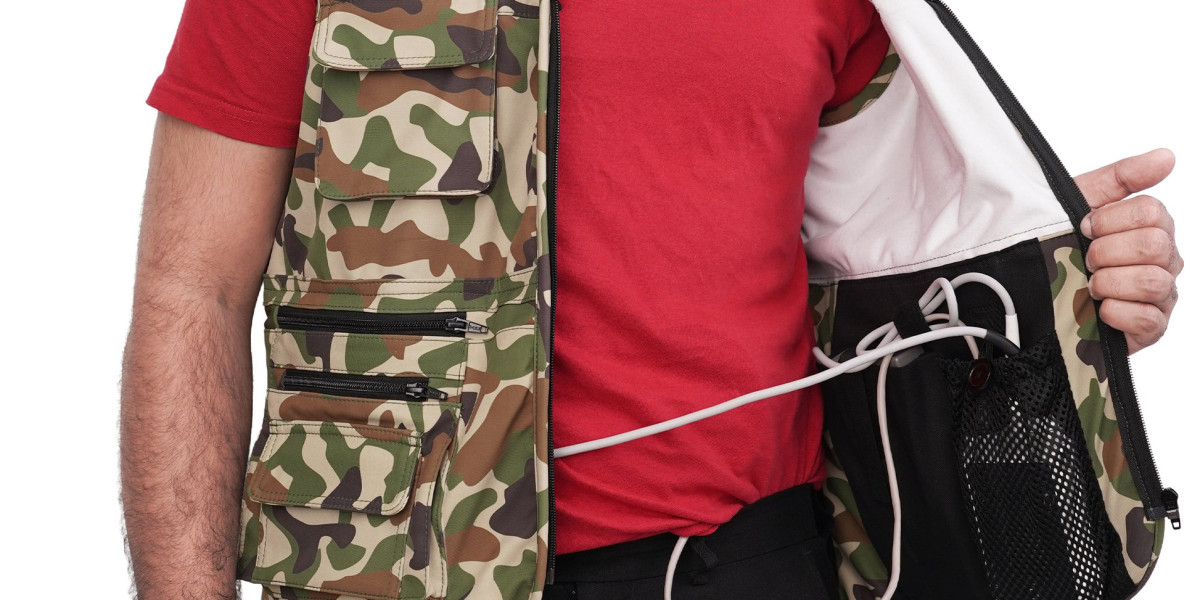
Products such as a heartmate lvad shirt combine comfort and functionality by incorporating discreet battery pockets, cable routing channels, and ergonomic support structures. These garments reduce the need for external carrying systems while improving aesthetic appearance and patient confidence.
Custom LVAD Vests and Advanced Support Solutions
Personalized Design for Individual Patient Needs
One of the most important developments in modern LVAD wearables is the introduction of personalized vest systems designed around individual anatomy, device configurations, and lifestyle requirements.
Patients frequently require different solutions based on:
Body size and shape
Activity levels
Occupational demands
Climate conditions
Rehabilitation goals
Specialized manufacturers have responded with tailored solutions such as custom lvad vests that provide secure battery placement, optimized weight distribution, and enhanced driveline management while supporting patient mobility.
Ergonomic Benefits
Advanced vest systems offer several ergonomic advantages:
Improved Weight Distribution
Modern designs spread battery and controller weight across the torso rather than concentrating stress on the waist or shoulders.
Reduced Fatigue
Balanced load management minimizes muscular strain during prolonged wear.
Better Postural Support
Strategically positioned compartments help maintain natural body alignment and movement patterns.
Key Innovations Driving Modern LVAD Wearables
Smart Textile Integration
The medical wearable industry increasingly incorporates smart textile technologies into patient-support garments.
Emerging innovations include:
Conductive fibers
Embedded sensors
Temperature regulation fabrics
Moisture-responsive materials
Antimicrobial treatments
Although many of these technologies remain in developmental stages for LVAD applications, they represent a promising future direction.
Driveline Stabilization Systems
Driveline infections remain a significant concern in LVAD management. According to clinical research published in cardiovascular journals, proper driveline care and stabilization are critical factors in reducing complications.
Modern wearable systems address this challenge through:
Anchoring mechanisms
Cable routing channels
Reduced tension designs
Friction-minimizing interfaces
These features help decrease mechanical stress at driveline exit sites.
Modular Battery Management
Battery management has become increasingly sophisticated.
Modern systems often include:
Quick-access compartments
Reinforced closures
Modular storage configurations
Emergency accessibility features
Such innovations improve both convenience and emergency preparedness.
Real-World Applications of Advanced LVAD Wearables
Supporting Daily Living
One of the primary goals of modern LVAD gear is enabling greater independence.
Patients routinely use wearable solutions while:
Shopping
Working
Exercising
Traveling
Attending social events
By reducing equipment-related barriers, wearable innovations contribute significantly to improved quality of life.
Enhancing Rehabilitation Programs
Cardiac rehabilitation remains an essential component of LVAD therapy.
Wearable systems facilitate participation in:
Walking programs
Supervised exercise sessions
Physical therapy
Strength training activities
Improved mobility encourages consistent rehabilitation adherence, which may positively influence long-term outcomes.
Travel and Community Participation
Modern wearable systems are increasingly designed to accommodate active lifestyles. Secure equipment management enables patients to navigate airports, public transportation systems, and community environments more confidently.
Benefits of Modern LVAD Wearable Innovations
Increased Patient Confidence
Discreet and functional wearable systems help reduce self-consciousness associated with visible medical equipment.
Enhanced Safety
Secure component positioning reduces risks associated with accidental drops, cable entanglement, or equipment displacement.
Improved Comfort
Modern fabrics and ergonomic designs provide greater comfort during extended wear.
Greater Independence
Improved equipment management supports self-sufficiency and active participation in everyday activities.
Better Quality of Life
Research consistently demonstrates that mobility, autonomy, and confidence are closely associated with improved patient-reported outcomes among LVAD recipients.
Challenges and Ongoing Limitations
Individual Variability
No single wearable solution meets every patient's needs. Differences in anatomy, lifestyle, and medical circumstances require personalized approaches.
Cost Considerations
Specialized medical wearables may represent a significant financial investment, particularly when multiple garments are required.
Durability Requirements
LVAD gear must withstand daily use while maintaining functionality and reliability.
Balancing Function and Comfort
Manufacturers continue working to optimize the balance between secure equipment support and wearer comfort.
Expert Insights and Best Practices
Conduct Comprehensive Patient Assessment
Healthcare teams should evaluate:
Activity level
Mobility requirements
Device configuration
Body mechanics
Environmental conditions
This assessment helps identify the most appropriate wearable solution.
Prioritize Driveline Protection
Industry best practices consistently emphasize driveline stabilization as a core component of infection prevention strategies.
Incorporate Patient Feedback
Successful wearable innovation depends heavily on patient-reported experiences. Iterative design based on real-world usage often produces the most effective products.
Utilize Layered Wearable Systems
Many experts recommend combining multiple wearable solutions, such as specialized shirts, stabilization belts, and support vests, depending on the activity being performed.
Reevaluate Equipment Needs Regularly
Patient needs frequently evolve following surgery, rehabilitation progress, and lifestyle changes. Periodic reassessment helps maintain optimal functionality.
Common Mistakes and Misconceptions
Misconception: Any Bag Can Replace Specialized LVAD Gear
General-purpose bags rarely provide the stabilization, weight distribution, and safety features required for long-term LVAD use.
Misconception: Wearable Gear Is Primarily Cosmetic
Although aesthetics may improve patient confidence, the primary purpose of LVAD wearables is functional support and safety enhancement.
Mistake: Ignoring Proper Weight Distribution
Poorly balanced equipment can contribute to discomfort, fatigue, and reduced adherence.
Mistake: Neglecting Driveline Management
Improper driveline positioning may increase mechanical stress and potentially contribute to complications.
Misconception: One Solution Works Forever
Patients often require different wearable configurations as activity levels and physical conditions change.
Conclusion
LVAD gear innovations have become a critical component of modern medical wearables, extending far beyond simple equipment carrying solutions. Through advancements in ergonomic design, textile engineering, driveline stabilization, and personalized support systems, these technologies help patients achieve greater mobility, safety, and independence while living with mechanical circulatory support devices.
As healthcare continues to embrace patient-centered design principles, wearable innovations are expected to play an increasingly important role in advanced cardiac care. From specialized garments and personalized vest systems to emerging smart textile technologies, the future of LVAD wearables will likely focus on improving comfort, reducing complications, and enhancing quality of life. For patients, clinicians, and caregivers alike, understanding these developments is essential for maximizing the benefits of LVAD therapy in real-world settings.
FAQs
What are the primary goals of modern LVAD wearable gear?
Modern LVAD wearables aim to improve safety, mobility, comfort, equipment organization, driveline protection, and overall quality of life for patients living with mechanical circulatory support devices.
How does a heartmate lvad shirt differ from traditional clothing?
A heartmate lvad shirt incorporates specialized pockets, cable management features, and equipment support structures specifically designed to accommodate LVAD components while maintaining comfort and discretion.
Why is driveline stabilization important?
Driveline stabilization reduces tension, friction, and movement at the exit site, helping support proper device management and potentially reducing complication risks.
Can wearable innovations improve patient independence?
Yes. Secure equipment management enables patients to perform daily activities, travel, exercise, and participate in social settings with greater confidence and autonomy.
Are modern LVAD wearables customized for individual patients?
Many manufacturers now offer customizable solutions that accommodate different body types, activity levels, and device configurations.
What materials are commonly used in advanced LVAD apparel?
Manufacturers frequently utilize moisture-wicking fabrics, antimicrobial textiles, reinforced stitching, breathable mesh materials, and ergonomic support structures.
How do wearable systems support rehabilitation?
Wearable systems improve comfort and equipment stability during exercise, making participation in rehabilitation programs more practical and sustainable.
What challenges remain in LVAD wearable design?
Challenges include balancing comfort with support, managing cost, accommodating diverse patient needs, and integrating emerging smart technologies.
Are smart textiles being used in LVAD gear?
Research and development efforts increasingly explore sensor-enabled fabrics, physiological monitoring systems, and advanced textile technologies for future applications.
How should patients select an appropriate wearable solution?
Selection should involve collaboration among patients, caregivers, and healthcare providers while considering comfort, activity level, device configuration, and safety requirements.