
Introduction
Artificial intelligence is no longer just software—it is deeply powered by advanced hardware built on cutting-edge chips. In 2025, the global AI revolution is being driven by semiconductor innovation, where a small group of companies design and manufacture the chips that make AI possible.
These companies control the most important part of the AI ecosystem: computation power. From training massive language models to running real-time robotics systems, everything depends on highly advanced processors, memory chips, and networking silicon.
In this article, we explore the top semiconductor leaders shaping AI hardware in 2025 and how they are influencing the future of computing.
The role of semiconductor companies in AI hardware dominance
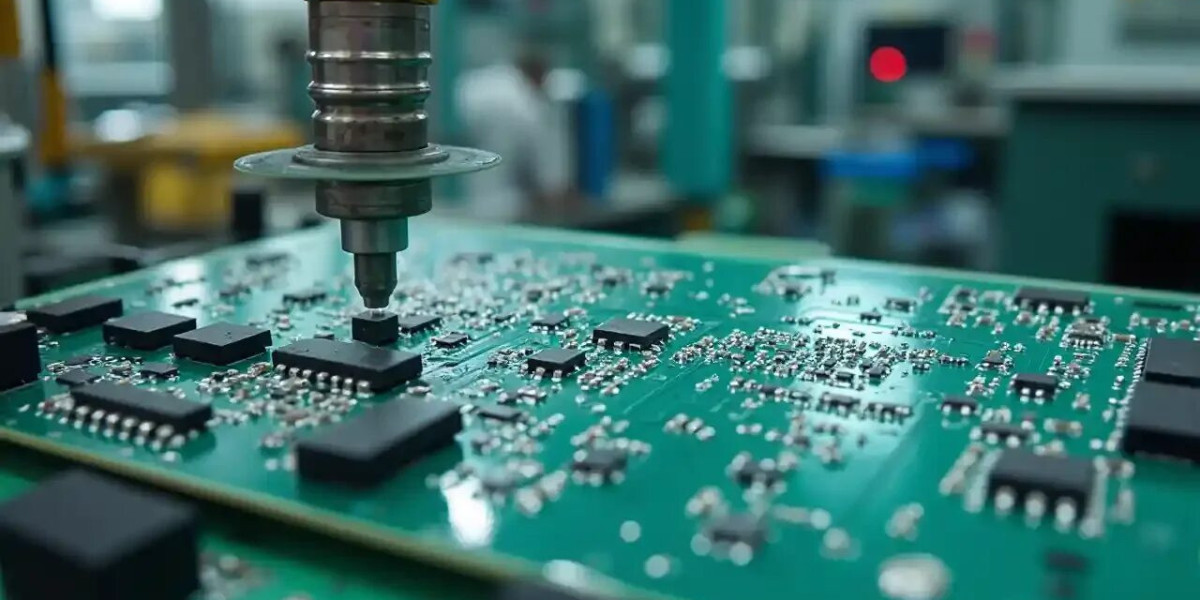
The semiconductor companies ecosystem is the backbone of artificial intelligence development. These companies design, fabricate, and supply the chips that power AI systems, including GPUs, CPUs, NPUs, and memory units.
AI hardware requires extreme performance and efficiency. Modern AI models process billions of calculations per second, which is only possible through advanced semiconductor architecture.
In 2025, AI-driven demand has pushed semiconductor revenue to record levels, with AI-related chips accounting for a major share of global growth. Companies that can deliver high-performance and energy-efficient chips are now leading the technology race.
1. NVIDIA – The undisputed AI GPU leader
NVIDIA continues to dominate AI hardware with its powerful GPU architectures like Blackwell and Hopper. The company holds a leading share in AI training and inference workloads.
Its chips are widely used in:
- Large language model training
- Data centers
- Cloud AI platforms
NVIDIA’s CUDA ecosystem also gives it a strong software advantage, making its hardware even more valuable for developers.
2. TSMC – The world’s most critical chip manufacturer
TSMC is the largest semiconductor foundry in the world. It does not design chips but manufactures them for companies like NVIDIA, Apple, AMD, and Qualcomm.
Key strengths:
- Advanced 3nm and 2nm manufacturing nodes
- Extremely high production efficiency
- Massive global AI chip supply share
TSMC is often called the “factory of AI chips” because nearly every major AI processor depends on its fabrication technology.
3. AMD – Strong competitor in AI and data centers
AMD has rapidly expanded into AI hardware with its MI300 series accelerators. It competes directly with NVIDIA in AI workloads.
AMD focuses on:
- High-performance CPUs
- AI GPUs
- Data center solutions
Its open ecosystem approach makes it popular among cloud providers and enterprise customers.
4. Intel – Rebuilding for AI and advanced computing
Intel is undergoing a major transformation to regain leadership in semiconductor technology. It is investing heavily in AI accelerators and advanced fabrication processes.
Key areas:
- AI PC processors
- Data center chips
- Foundry services
Intel is also focusing on “physical AI,” which includes robotics and edge intelligence systems.
5. Samsung Electronics – Memory and AI chip powerhouse
Samsung Electronics is a global leader in memory chips, especially DRAM and NAND, which are essential for AI systems.
Its strengths include:
- High Bandwidth Memory (HBM) for AI GPUs
- Advanced semiconductor manufacturing
- Mobile and AI SoC development
Samsung plays a critical role in supplying memory for AI data centers worldwide.
6. Qualcomm – Expanding into AI processors
Qualcomm is known for mobile chips but is now entering AI data center hardware.
It focuses on:
- Snapdragon AI processors
- Edge AI computing
- Data center accelerators
Qualcomm is building energy-efficient AI chips designed for both mobile and enterprise use cases.
7. Broadcom – Networking and custom AI silicon leader
Broadcom specializes in custom silicon and networking chips that connect AI systems in data centers.
Its contributions include:
- High-speed Ethernet chips
- Custom AI ASICs for hyperscalers
- Infrastructure connectivity solutions
Broadcom enables large-scale AI clusters to function efficiently.
8. SK Hynix – AI memory specialist
SK Hynix is one of the most important suppliers of HBM (High Bandwidth Memory), which is essential for AI GPUs.
Key strengths:
- HBM3 and HBM3E memory
- High-speed DRAM solutions
- Strong partnerships with NVIDIA and AMD
Without SK Hynix, modern AI GPUs would not perform at their current level.
9. Micron Technology – Memory innovation for AI systems
Micron Technology produces advanced memory chips used in AI computing systems.
It focuses on:
- GDDR and HBM memory
- NAND storage solutions
- AI-optimized memory architectures
Micron supports both consumer and enterprise AI hardware markets.
10. Marvell Technology – Custom AI infrastructure chips
Marvell Technology plays a growing role in AI infrastructure with custom silicon and data center connectivity solutions.
Its contributions include:
- AI networking chips
- Storage controllers
- Custom ASIC solutions for cloud providers
Marvell helps optimize AI data flow across large computing systems.
Key trends shaping semiconductor leadership in 2025
Several major trends define the semiconductor industry:
1. AI-first chip design
Companies now design chips specifically for AI workloads instead of general computing.
2. Memory becomes as important as processors
High-bandwidth memory is critical for AI performance.
3. Custom silicon growth
Cloud companies are designing their own chips with support from semiconductor firms.
4. Energy efficiency focus
Power consumption is now a major design priority.
5. Geopolitical importance
Semiconductors are now strategic assets for national security and economic growth.
Helpful tips for understanding AI semiconductor industry
- Learn the difference between GPU, CPU, and AI accelerators
- Understand the role of memory in AI performance
- Follow foundry companies like TSMC for manufacturing insights
- Track AI chip announcements for industry trends
- Study how data centers use large-scale chip systems
FAQs
1. Why are semiconductor companies important for AI?
They design and manufacture the chips that power all AI systems.
2. Which company leads AI chip manufacturing?
NVIDIA leads in AI GPUs, while TSMC leads in manufacturing.
3. What is HBM in AI chips?
High Bandwidth Memory used to speed up AI processing.
4. Why is memory important in AI hardware?
AI models require fast data access, which depends on memory speed.
5. Are new companies entering AI chip markets?
Yes, companies like Qualcomm and Marvell are expanding into AI hardware.
Final Words
The AI revolution is powered by a small group of semiconductor leaders who control the world’s computing infrastructure. These companies are not just building chips they are shaping the future of intelligence, automation, and digital transformation.
As AI continues to grow, the demand for faster, smaller, and more efficient chips will only increase. The companies leading today’s semiconductor industry will play a defining role in the technologies of tomorrow.