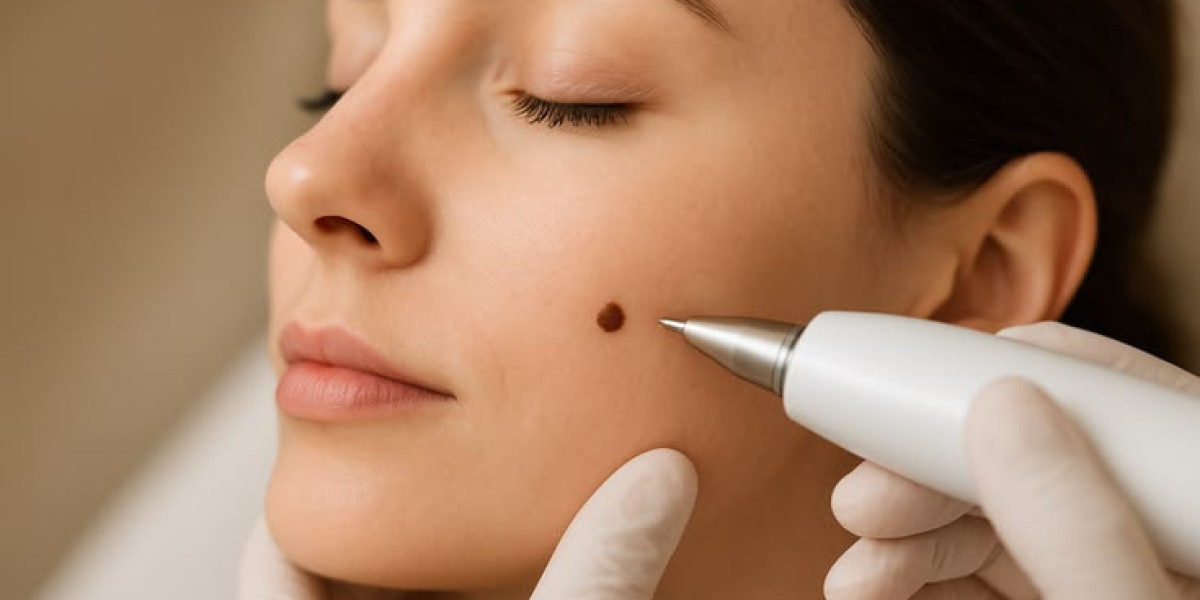

Moles are common skin growths that can appear on the face, neck, arms, back, and other parts of the body. While many moles are harmless, some people choose to have them removed because of their appearance, location, irritation, or medical concerns. Professional care can help individuals understand their options and choose an appropriate approach based on their skin and the characteristics of the mole.
Choosing Mole removal treatment in Islamabad allows patients to seek an assessment from a qualified medical professional before deciding on a procedure. Professional treatment focuses on safety, appropriate technique, and aftercare rather than simply removing a visible skin mark. Understanding the advantages can help patients make informed decisions and develop realistic expectations.
What Is Professional Mole Removal Treatment?
Professional mole removal is a medical procedure performed by a qualified healthcare professional after examining the mole. The recommended method depends on factors such as its size, depth, location, appearance, and whether it shows any suspicious changes.
Depending on the assessment, a clinician may recommend surgical excision, shave removal, or another suitable approach. Not every mole is appropriate for laser treatment, particularly when its appearance requires further examination or tissue analysis.
A professional consultation helps determine whether removal is necessary, which method may be appropriate, and whether additional testing is required.
1. Personalized Skin Assessment
One of the main advantages of professional mole removal is the opportunity to receive an individualized assessment. Moles can differ significantly in color, shape, size, and depth, so a single technique may not be suitable for everyone.
During a consultation, the healthcare professional examines the mole and reviews its history. They may ask whether it has changed in size, shape, or color, or whether it has started itching, bleeding, or developing a crust.
This assessment helps identify moles that need further investigation before removal. If a mole appears suspicious, the clinician may recommend a biopsy or removal method that allows the tissue to be examined under a microscope.
2. Appropriate Treatment Selection
Professional care helps patients understand the treatment options available for their particular mole. Surgical excision may be recommended when the entire mole needs to be removed or when tissue analysis is important. Shave removal may be suitable for certain raised moles after careful assessment.
Other techniques may be considered in selected circumstances, but the best option depends on the diagnosis and clinical findings.
Choosing the correct approach can help address the patient's concerns while taking the mole's characteristics into account. A qualified professional can also explain the potential benefits, limitations, costs, and recovery requirements of each option.
3. Attention to Safety and Hygiene
Medical procedures require appropriate hygiene, suitable instruments, and careful technique. Professional treatment takes place in a clinical setting where the provider can follow infection-prevention practices and monitor the procedure.
Depending on the method, local anesthesia may be used to reduce discomfort. The clinician can explain what the patient may feel during treatment and provide instructions for managing tenderness afterward.
Although professional care can reduce avoidable risks, no procedure is completely risk-free. Possible complications include bleeding, infection, scarring, changes in skin pigmentation, and regrowth in some cases. Patients should discuss these risks during their consultation.
4. Improved Cosmetic Planning
Some people seek mole removal because a mole affects the appearance of a visible area, such as the face or neck. A professional can consider the mole's location, the surrounding skin, and the likely healing pattern when discussing treatment.
The aim is to address the concern while preserving as much healthy tissue as appropriate. The clinician may also explain where a scar could form and how noticeable it might be after healing.
It is important to understand that mole removal does not guarantee scar-free skin. Scarring varies according to the removal technique, mole depth, individual healing, and aftercare. Patients with a history of raised or thick scars should mention this before treatment.
5. Clear Aftercare Instructions
Proper aftercare is an important part of the recovery process. After removal, the treatment area may be tender, red, swollen, or covered by a small dressing. These effects can vary depending on the procedure.
A healthcare professional can explain how to clean and protect the area, when to change dressings, and whether prescribed ointments are appropriate. Patients should avoid picking at the healing site and should follow advice about swimming, strenuous activity, and sun exposure.
Sun protection can help reduce the risk of persistent discoloration while the skin heals. Patients should contact their clinician if they notice increasing pain, spreading redness, pus, fever, or bleeding that does not stop with the recommended measures.
6. Guidance on Healing and Follow-Up
Healing time depends on the mole's location, size, removal technique, and individual skin response. Some wounds heal within a relatively short period, while others require longer care or stitches that may need to be removed.
Professional follow-up allows the clinician to assess healing and discuss any concerns. If the mole was sent for laboratory examination, the provider can explain the results and whether additional treatment is necessary.
A follow-up appointment also gives patients an opportunity to ask about scar care, pigmentation changes, and when they can safely return to their usual activities.
7. Greater Confidence Through Informed Decisions
People may feel self-conscious about prominent moles, particularly when they are located on visible areas of the body. Learning about available options can help them decide whether treatment aligns with their personal preferences and medical needs.
Professional care supports this decision-making process by explaining realistic outcomes instead of promising perfect results. Patients can discuss their concerns, review potential risks, and decide whether to proceed after understanding the available choices.
Who Should Consider Professional Mole Removal?
A consultation may be appropriate for someone whose mole is frequently irritated by clothing or shaving, causes cosmetic concern, or has changed in appearance. However, a mole that changes in size, shape, or color, or that begins bleeding, itching persistently, or developing an unusual appearance, should be medically assessed promptly.
Do not attempt to cut, burn, or remove a mole at home. Home remedies and unregulated removal products may cause injury, infection, scarring, and delays in diagnosing a serious skin condition.
Choosing Mole Removal Treatment in Islamabad
When considering Mole removal treatment in Islamabad, look for a qualified medical professional who can examine the mole, explain suitable options, discuss risks and costs, and provide follow-up care. Ask whether the procedure will allow tissue testing if needed and how the expected scar may look.
A good treatment plan should prioritize medical safety as well as cosmetic goals. Patients should feel comfortable asking questions and should receive clear information about recovery and possible outcomes before making a decision.
Conclusion
Professional mole removal offers several potential advantages, including personalized assessment, appropriate technique selection, clinical hygiene, cosmetic planning, and structured aftercare. The most suitable treatment depends on the mole's characteristics and whether medical testing is required.
By consulting a qualified healthcare professional, patients can better understand their options and make informed decisions about their skin. Careful assessment and realistic expectations are essential for achieving an appropriate outcome while protecting skin health.
Frequently Asked Questions
1. Is professional mole removal safe?
Professional mole removal is generally considered safe when performed by a qualified clinician using an appropriate method. However, risks such as infection, bleeding, scarring, and pigmentation changes can occur.
2. Will mole removal leave a scar?
A scar may develop after mole removal. Its appearance depends on the mole's depth, the technique used, the location, and individual healing. Your clinician can discuss likely outcomes before treatment.
3. How long does it take to recover after mole removal?
Recovery varies according to the procedure and the size and location of the mole. Your clinician will provide wound-care instructions and explain when to return for follow-up.
4. How can I choose Mole removal treatment in Islamabad?
Choose a qualified medical professional who examines the mole, explains suitable treatment options and risks, discusses whether laboratory testing is needed, and provides clear aftercare and follow-up guidance.
For more information visit Enfield royal clinic in islamabad