
Modern mushroom cultivation relies on understanding substrate composition, fungal development, environmental conditions, and the design of prepared growing systems. Integrated formats bring several cultivation components together in an organized structure, making it easier to understand how growing media and mycelium interact. Exploring these systems provides useful insight into contemporary mycology and the principles behind consistent substrate preparation.
Understanding Integrated Mushroom Growing Systems
Integrated growing systems combine selected components of a cultivation setup into a more organized format. Depending on the product, these components may include a prepared substrate, a suitable growing container, and packaging designed to support handling and storage. Their design can help users understand the relationship between the growing medium and fungal development.
The Purpose of an Integrated Design
A well-organized growing system brings attention to the condition and structure of its substrate. Rather than evaluating individual components in isolation, readers can examine how the medium, packaging, moisture conditions, and surrounding environment work together. This approach also highlights why product instructions and storage recommendations matter.
Integrated systems do not eliminate the need to understand fungal biology. Temperature, moisture, air exchange, cleanliness, and the characteristics of the mushroom species remain important considerations. Learning how these factors interact provides a foundation for evaluating different cultivation formats.
Exploring the Mushroom Ready-to-Grow Kit Concept
A mushroom ready to grow kit is a prepared cultivation format intended to bring selected growing components together in one convenient system. The exact contents and intended use depend on the product, so readers should review its description and instructions before making assumptions about its composition or requirements.
Components and Product Information
Prepared kits may differ in substrate type, container design, preparation method, and intended application. Understanding these differences helps readers compare products based on their stated features rather than appearance alone.
Useful details to evaluate include packaging integrity, storage requirements, product specifications, and clear handling instructions. A detailed product description can also help establish whether a particular format is appropriate for a user's experience level and intended use.
Understanding Ready-to-Grow Mushroom Blocks
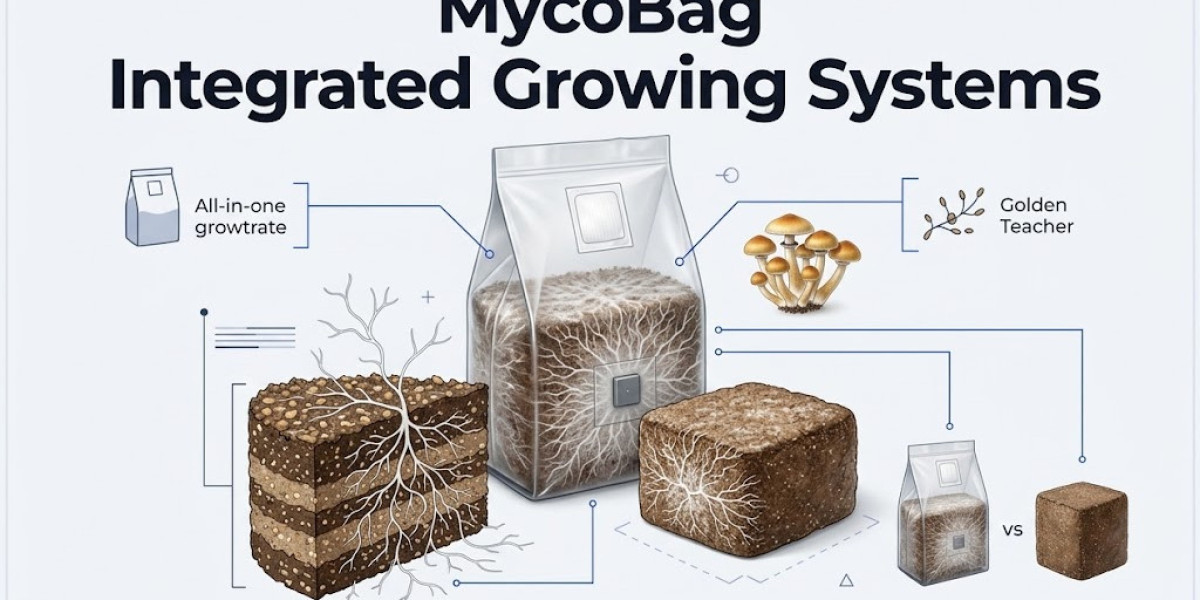
Ready to grow mushroom blocks are prepared substrate formats designed around a defined volume and shape of growing medium. The substrate provides the physical material through which fungal mycelium can develop, while the block's structure can influence how the medium retains moisture and remains organized.
Substrate Composition and Structure
Substrate composition varies according to the mushroom species and the intended application. Depending on the formulation, a substrate may contain different organic materials selected for their physical properties and nutritional characteristics. Particle size, density, moisture distribution, and preparation methods can all affect the structure of the finished medium.
A block that appears uniform externally may still differ internally in moisture distribution or density. For this reason, product consistency should be evaluated through reliable product information and appropriate quality-control practices rather than visual appearance alone.
Why Consistency Matters
Consistent preparation can make products easier to assess, store, transport, and compare. However, consistency does not guarantee identical biological outcomes, because fungal development also depends on environmental conditions, species characteristics, and handling. Understanding these variables encourages a more informed approach to prepared substrate systems.
Examining the Ready-to-Grow Mushroom Kit Format
A ready to grow mushroom kit offers another way to explore how selected cultivation components can be presented as a coordinated package. Although kits and substrate blocks may overlap in purpose, they are not necessarily identical. A kit may include a broader set of components, while a block specifically describes the form of the substrate.
Comparing Formats Carefully
When comparing products, consider what is included, how the substrate has been prepared, how the product should be stored, and what instructions the supplier provides. Product names alone may not communicate every important detail, so reviewing the complete listing is a practical first step.
Clear product information also supports better expectations. Instead of assuming that all kits have the same composition or requirements, readers can identify the features that distinguish one format from another.
Golden Teacher Mycelium and Fungal Development
Golden Teacher mycelium refers to the vegetative network of fungal cells associated with the Golden Teacher variety name used in certain mushroom-related product contexts. Mycelium consists of fine, branching filaments called hyphae, which collectively form a network through the surrounding substrate.
Understanding Mycelial Networks
Mycelium is central to fungal biology because it grows through suitable material and interacts with available nutrients and moisture. Its development depends on several factors, including the organism's characteristics, substrate conditions, temperature, and potential contamination. These interactions make mycelium an important subject in both scientific study and broader mycology education.
Observing fungal development also requires careful interpretation. Visual characteristics alone cannot establish every aspect of identity, genetic composition, or biological condition. Reliable descriptions and appropriate scientific methods are needed when making more specific claims about a fungal sample.
Genetics, Environment, and Variation
Genetic characteristics can influence fungal traits, but observed development also reflects environmental conditions and the suitability of the growing medium. Two samples may behave differently when their substrates, storage histories, or surrounding conditions differ. This distinction is useful when studying fungal variation and understanding why results should not be attributed to genetics alone.
The MycoBag Approach to Integrated Growing Systems
The mycobag concept brings attention to an all-in-one bag format in which selected growing components are organized within a single container. The exact design, contents, and intended use should be confirmed through the relevant product description. Examining this format helps illustrate how packaging and substrate design can work together in a prepared growing system.
Organization and Containment
A bag-based system can provide a defined space for its contents and may simplify handling compared with managing separate components. Packaging can also help protect the substrate during storage and transportation when used according to the manufacturer's instructions.
Nevertheless, packaging alone does not establish product quality or guarantee a particular result. The condition of the substrate, integrity of the container, clarity of the instructions, and suitability of storage conditions remain important factors to consider.
Substrate Design and Practical Evaluation
Substrate design involves more than selecting ingredients. Structure, moisture distribution, preparation, and packaging all contribute to the characteristics of a finished product. An integrated format makes these relationships easier to discuss because several components are presented together.
When evaluating an all-in-one system, readers should look for transparent specifications, clear storage guidance, intact packaging, and realistic product information. These details provide a more dependable basis for comparison than broad marketing descriptions or assumptions about performance.
Environmental Conditions and Responsible Product Assessment
Prepared growing systems still exist within a wider environment. Moisture, temperature, air exchange, cleanliness, and storage conditions can influence substrate quality and fungal development. Each product may have different requirements, making the supplier's instructions an essential reference.
Storage and Handling Considerations
Follow the storage and handling information supplied for the specific product. Check packaging for visible damage and review any stated shelf-life or storage limitations. Avoid making assumptions about a product's condition based solely on its external appearance.
Responsible evaluation also involves understanding the product's intended use and any applicable local requirements. Accurate product descriptions, transparent specifications, and appropriate handling practices support informed decisions.
Conclusion
Integrated growing systems provide a useful way to examine the relationships among substrate composition, packaging, mycelial development, and environmental conditions. Mushroom kits, substrate blocks, and all-in-one bag formats may share some features, but their exact contents and requirements can differ.
By reviewing product specifications, understanding the role of mycelium, and considering the factors that influence substrate consistency, readers can build a more informed understanding of modern mycology. Full Canopy Genetics provides a starting point for exploring these product categories and learning more about the design and terminology of prepared mushroom-growing systems.