
Every car enthusiast knows the dread that accompanies a stray rock on the highway or the thought of a rogue shopping cart in a parking lot. Your vehicle is not just a method of transport, it is an investment, often a source of pride, and for many, a rolling reflection of their personality.
In the dynamic city of Charlotte, where the sun beats down in the summer and the daily commute can expose vehicles to a host of hazards, preserving your vehicle’s showroom brilliance is no small task. This is where the conversation about automotive paint protection film (PPF) begins.
What Is Paint Protection Film?
Paint protection film, sometimes called “clear bra,” is a cutting-edge, transparent urethane material applied to the painted surfaces of cars. Its primary job is simple: shield your car’s paint from chips, scratches, stains, and the harmful effects of UV exposure. In an age where first impressions often begin with the gleam of a perfectly maintained vehicle, PPF combines science, aesthetics, and peace of mind.
Why Is Paint Protection Film Important for Car Owners?
The roads in Charlotte are bustling. Urban congestion, unpredictable weather, and loose gravel can all take their toll on even the most meticulously maintained paintwork. Unlike waxes or ceramic coatings, PPF offers a physical, sacrificial barrier that absorbs the impact of debris, bird droppings, tree sap, and even road tar. The film is engineered to be virtually invisible once installed, preserving the original look and feel of your paint, not merely for months, but for years.
Key Benefits of PPF
Durability: PPF is designed to withstand harsh environmental conditions, from unrelenting UV rays to acid rain.
Self-Healing Technology: Modern films can ‘heal’ minor scratches and swirl marks with the application of heat, ensuring your car’s surface remains flawless.
Enhanced Aesthetics: The film does not alter the color or gloss of your car’s paint, maintaining a factory-fresh appearance.
Resale Value: A vehicle protected with PPF maintains a higher resale value thanks to the preservation of its original paint.
How Is Paint Protection Film Installed?
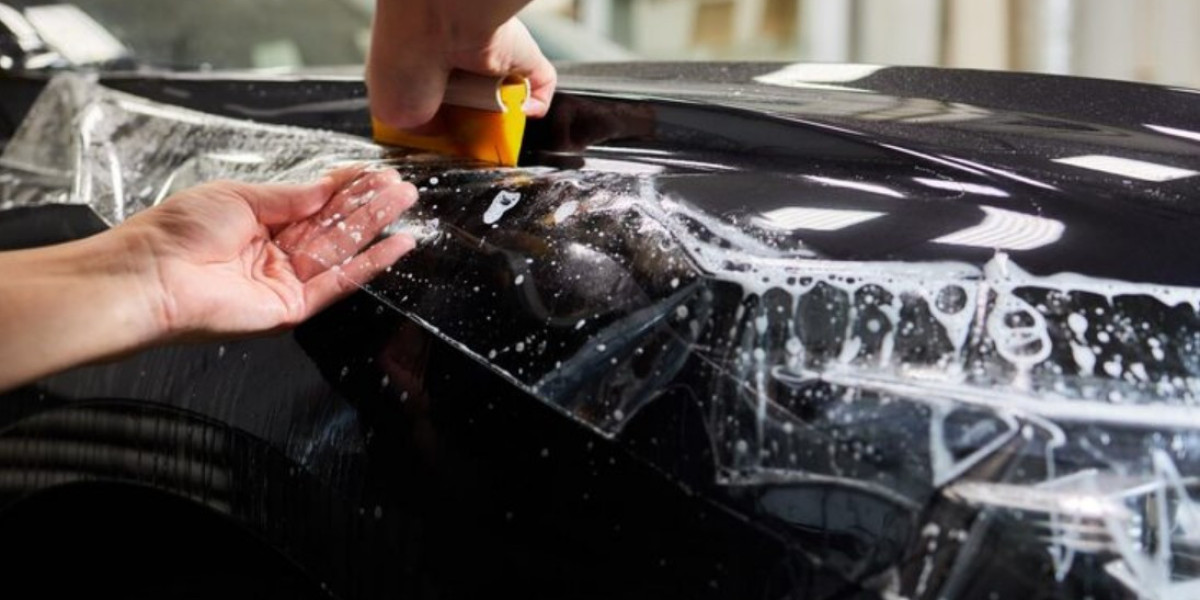
The installation of paint protection film is a meticulous process that requires precision, expertise, and proper facilities. Professionals begin by thoroughly cleaning the car’s exterior, ensuring no dirt or debris is trapped under the film. Using pre-cut templates or custom fitting, they carefully apply the film to vulnerable areas, most commonly the hood, fenders, bumpers, mirrors, and door edges.
During installation, skilled technicians work out air bubbles and perfectly align the material to avoid unsightly seams. The result is a seamless, imperceptible layer that protects your paint while remaining completely unobtrusive to the eye.
Types of Paint Protection Films
Not all films are created equal, so selecting the right product is crucial. High-quality brands offer PPF with advanced UV resistance, maximum clarity, and superior hydrophobic properties. Some films feature a matte finish for a customized look, while others are optimized for gloss enhancement.
Charlotte’s climate, with its mix of sun, humidity, and occasional winter weather, demands a PPF that is both robust and flexible. The right film should be warrantied for several years, ensuring long-term benefits without fear of yellowing, cracking, or peeling.
Real-World Examples: Everyday Protection
Consider the typical Charlotte commuter, a professional who counts on their car for daily transit. A single trip on I-77 can subject a vehicle to chunks of asphalt, bug splatter, or even minor fender benders in slow-moving traffic. PPF silently takes the abuse, preserving the integrity of the finish beneath.
For those who love weekend drives through the Carolinas, the film is just as indispensable; winding mountain roads can mean overhanging branches or gritty, sandy surfaces that threaten to degrade your investment. Auto enthusiasts, classic car collectors, and daily drivers alike can all reap the rewards of proper paint protection.
Frequently Asked Questions
1. How long does automotive paint protection film last?
Quality paint protection films, when installed by a professional, can last from 5 to 10 years. Factors that impact longevity include environmental exposure, regular maintenance, and the specific brand of film used.
2. Does PPF require special maintenance?
PPF is low-maintenance. Normal washing with gentle, pH-neutral products is sufficient. Avoid abrasive polishes or waxes on the film. Many films are designed to resist stains and can be hand-washed or even detailed like traditional paint.
3. Can paint protection film be removed or replaced?
Yes, PPF can be safely removed by a professional without damaging the underlying paint, provided the movie was applied to original, factory paint. If the film has reached the end of its lifespan, or if you want to upgrade to a newer product, replacement is straightforward.
4. Is it worth installing paint protection film on a used or older car?
Absolutely. Whether your car is fresh off the lot or has seen years on the road, PPF adds value by preventing future damage. For older vehicles, applying PPF after a paint correction service can lock in a rejuvenated finish for years to come.
The Bottom Line: Preserving Value Through Protection
For Charlotte residents who want their vehicles to look immaculate for the long haul, automotive paint protection film offers a proven, effective solution. It requires an initial investment, but the returns, preserved paint, higher resale value, and a lasting shine, more than justify the expense.
Whether you are safeguarding a brand new luxury sedan or extending the life of a cherished family SUV, proactive care today will guarantee pride of ownership for miles and years to come.