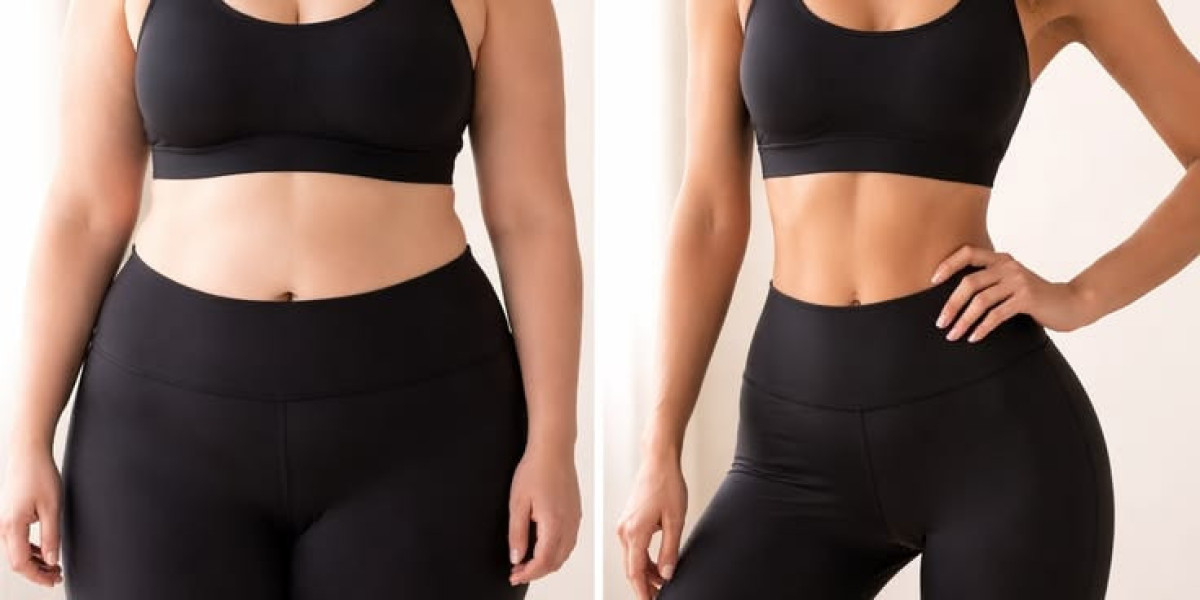

Body shape and fat distribution vary naturally from person to person. Even individuals who maintain a healthy lifestyle may have localized fat deposits that are difficult to reduce through diet and exercise alone. For both men and women, liposuction can be considered as a body-contouring procedure designed to address selected areas of unwanted fat.
Although the fundamental procedure is similar for both sexes, treatment goals and commonly requested areas can differ. Understanding the process, potential benefits, limitations, and recovery can help anyone considering liposuction make an informed decision.
What Is Liposuction?
Liposuction is a cosmetic surgical procedure used to remove localized deposits of fat from specific areas of the body. A qualified medical professional typically uses a thin tube called a cannula to loosen and remove fat through small incisions.
The purpose is generally to improve body contours and proportions rather than achieve significant overall weight loss. Liposuction is therefore best understood as a body-sculpting procedure that can complement healthy lifestyle habits.
Different techniques may be used depending on the treatment area, amount of fat involved, and individual circumstances.
Liposuction for Women
Women may consider liposuction for areas where localized fat affects their desired body contours. Common treatment areas can include the abdomen, hips, thighs, waist, upper arms, back, and under the chin.
Fat distribution in women can be influenced by genetics, age, hormonal changes, and body composition. Some women may notice changes in areas such as the abdomen or hips over time, even when their overall weight remains relatively stable.
During consultation, the provider can assess the patient's body structure, skin elasticity, fat distribution, and aesthetic goals to develop an appropriate treatment plan.
Liposuction for Men
Men may also choose liposuction to address localized fat and improve body definition. Frequently considered areas can include the abdomen, waist, flanks, chest area, back, and under the chin.
Men often seek a more defined appearance in the abdomen or waist, although individual goals vary. The objective should always be based on the person's natural anatomy rather than attempting to create an unrealistic body shape.
A personalized assessment helps determine whether fat removal alone may be appropriate or whether other considerations should be discussed.
Common Treatment Areas for Both
Although individual preferences differ, liposuction can potentially be used in several areas for both men and women. These may include:
Abdomen
Waist and flanks
Hips
Thighs
Upper arms
Back
Under the chin
Certain areas around the knees
Not every person is suitable for treatment in every area. The provider must consider factors such as skin elasticity, existing medical conditions, previous procedures, and the amount and location of excess fat.
What Happens During a Consultation?
A consultation is an important part of the liposuction process. The medical professional reviews the patient's medical history and discusses their reasons for considering treatment.
The treatment areas can be examined, and the provider may evaluate skin quality and fat distribution. Patients can also discuss their desired appearance and ask questions about the procedure, anesthesia, recovery, potential risks, and expected results.
Being honest about medications, allergies, previous surgeries, and existing health concerns is important for appropriate treatment planning.
Preparing for Liposuction
Preparation varies depending on the procedure and individual health. Patients may receive instructions about medications, supplements, smoking, alcohol, eating, and drinking before surgery.
It can also be helpful to arrange transportation home and assistance during the initial recovery period. Comfortable clothing and a suitable place to rest can make the first stage of recovery easier.
Patients should follow their medical team's instructions carefully and should not stop or change prescribed medications unless advised to do so.
Recovery After Treatment
Recovery from liposuction is gradual. Swelling, bruising, tenderness, and temporary numbness may occur around the treated areas.
A compression garment may be recommended to support the healing process. Light activities can often be resumed progressively, while strenuous exercise should generally wait until the medical professional provides clearance.
The recovery experience varies according to the treatment area, amount of fat removed, technique, overall health, and individual healing response.
Understanding Liposuction Results
Results are not necessarily visible immediately because swelling can temporarily change the appearance of treated areas. As healing progresses, body contours generally become easier to evaluate.
The final outcome can vary from one person to another. Factors such as skin elasticity, anatomy, treatment planning, and postoperative care can all influence the appearance.
It is important to maintain realistic expectations. Liposuction can improve selected contours, but it cannot guarantee a particular body shape or eliminate every irregularity.
Maintaining Your Results
Liposuction permanently removes fat cells from the treated area, but remaining fat cells can still increase in size with significant weight gain.
Maintaining a stable weight through balanced nutrition and regular physical activity can help support long-term body contours. Healthy habits also contribute to overall wellness.
The procedure should therefore be viewed as a complement to a healthy lifestyle rather than a replacement for it.
Potential Risks and Considerations
Liposuction is a surgical procedure and carries potential risks. These may include infection, bleeding, fluid accumulation, changes in sensation, contour irregularities, and complications related to anesthesia.
Individual risks differ, so patients should discuss their medical history and concerns with a qualified professional before treatment. Choosing an appropriately trained provider and following all preoperative and postoperative instructions are important steps.
Conclusion
Liposuction can be considered by both men and women who want to address localized fat deposits and improve specific body contours. While treatment areas and aesthetic goals may differ, the basic principles of personalized planning, realistic expectations, and appropriate aftercare remain important for everyone.
A thorough consultation can help determine whether liposuction is suitable for an individual's goals, anatomy, and health circumstances. Understanding the procedure from consultation through recovery allows prospective patients to approach body contouring with greater awareness and realistic expectations.
Frequently Asked Questions
1. Can both men and women have liposuction?
Yes. Liposuction can be performed on appropriately selected men and women. Treatment areas and goals are customized according to each person's anatomy and aesthetic preferences.
2. What areas are commonly treated with liposuction?
Common areas include the abdomen, waist, hips, thighs, upper arms, back, flanks, and under the chin. Suitable treatment areas vary by individual.
3. Is liposuction suitable for weight loss?
Liposuction is primarily a body-contouring procedure rather than a weight-loss treatment. It is intended to address localized fat deposits rather than significant overall weight.
4. How can patients maintain liposuction results?
Maintaining a relatively stable weight, eating a balanced diet, and staying physically active can help support body contours following liposuction.
For more information visit
Enfield royal clinic in islamabad