
A bracelet is a small, delicate item, but the box it comes in does a surprising amount of work. It protects a fragile piece during shipping, presents it in a way that feels special the moment it's opened, and often becomes part of the memory attached to the gift itself. For jewelry brands and gift shops alike, bracelet boxes aren't a minor afterthought tacked onto the end of the buying process. They're a core part of how customers experience the product, and getting them right has real consequences for sales, returns, and repeat business.
This article looks at why bracelet boxes matter so much in this category, what makes a good one, and how jewelry brands and gift shops can choose packaging that actually earns its place in the box.
Why Bracelet Packaging Carries So Much Weight
The Product Is Small, So the Packaging Fills the Gap
A bracelet on its own, especially a delicate chain or a slim bangle, doesn't take up much visual or physical space. Packaging fills that gap. It gives the product presence, weight, and a sense of occasion that the item alone can't provide. A beautifully boxed bracelet feels like a considered purchase; the same bracelet dropped into a generic poly mailer feels like an afterthought, regardless of how well made the piece actually is.
Jewelry Purchases Are Often Emotional
People rarely buy bracelets the way they buy everyday goods. They're often gifts, milestone purchases, or small personal treats tied to a specific moment. Packaging plays directly into that emotional context. The moment of opening a box matters almost as much as the item inside, particularly for gifts, where the unboxing experience is part of the gift itself.
Fragility Requires Real Protection
Bracelets, especially those with clasps, charms, gemstones, or delicate chains, are easy to damage in transit or storage. Tangling, scratching, and clasp damage are common problems with inadequate packaging. A well designed bracelet box solves this with secure interior fittings, whether that's a slotted insert, a cushioned pad, or a fitted foam holder, keeping the piece steady and untangled from the moment it's packed to the moment it's opened.
They Reinforce Brand Identity
For jewelry brands specifically, packaging is one of the clearest ways to communicate quality and positioning before a customer even sees the product up close. A minimalist matte box with subtle branding suggests something very different from a bright plastic clamshell, even if the bracelets inside are similarly priced. Gift shops selling multiple brands rely on this too, since consistent, attractive packaging across a range of products helps establish the shop's own identity and quality standard.
What Makes a Good Bracelet Box
Secure, Purpose Built Interiors
The single most important functional feature of a bracelet box is how it holds the piece in place. Common approaches include:
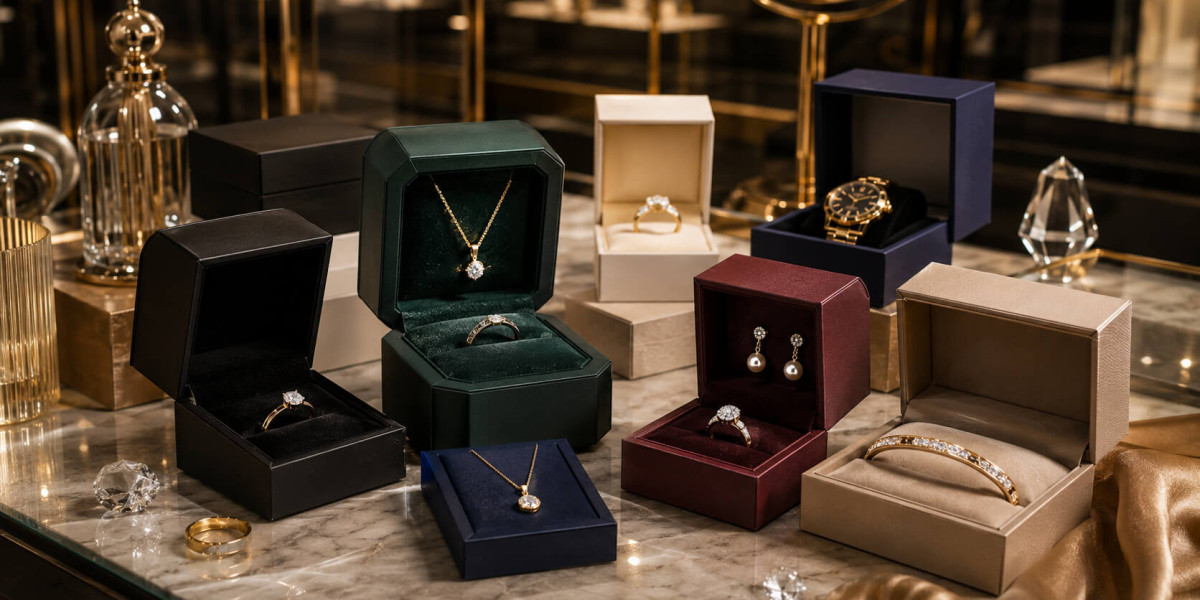
- Slotted inserts that hold a bracelet flat and open, preventing tangling, especially useful for chain bracelets or pieces with multiple charms.
- Foam or velvet cushioned pads that cradle the bracelet and prevent it from shifting or scratching against the box interior.
- Fabric loop closures that secure a bangle or cuff style bracelet in a fixed position.
The right interior depends heavily on the bracelet style itself. A rigid bangle needs different support than a delicate chain, and a box designed generically for "any bracelet" often does a mediocre job for all of them.
The Right Size, Not Just a Small Size
It's tempting to think smaller packaging is always better for a small item, but an overly tight box can actually make it harder to remove the bracelet without fumbling or damaging the clasp, while an oversized box lets the piece shift around loosely. The right bracelet box fits closely enough to hold the item securely while still leaving enough room for easy, comfortable handling.
Materials That Match the Product's Value
Higher end jewelry generally calls for higher end materials: rigid board construction, velvet or suede lining, magnetic closures, and a soft touch or matte finish exterior. More casual or fashion jewelry can use lighter, simpler kraft or cardboard boxes without feeling mismatched. The packaging should generally sit at a similar perceived value level as the piece inside it, since packaging that feels cheaper than the product undermines trust, and packaging that feels far more expensive than the product can create a mismatch of its own.
A Design That Photographs Well
Jewelry sells heavily through visual marketing, whether that's a brand's own product photography or customer-generated content on social media. A bracelet box with a clean, distinctive design, good color contrast, and a satisfying opening mechanism tends to perform better across both professional photos and casual customer photos and videos, extending the packaging's value well beyond the initial purchase.
Functional, Not Just Decorative, Closures
Magnetic closures, ribbon ties, and snug friction lids all serve a real purpose beyond looks: they keep the box securely shut during shipping and handling, which matters more than it might seem for a box that's small enough to shift around inside a larger shipping carton.
Why Gift Shops Care About This as Much as Jewelry Brands
Jewelry brands design packaging around their own bracelets specifically, but gift shops face a different challenge: they often sell bracelets from multiple sources, sometimes without brand-specific packaging included at all. For gift shops, investing in their own quality bracelet boxes solves a few problems at once.
It creates a consistent, elevated presentation across a mixed inventory, so a bracelet from one supplier and a bracelet from another look equally considered on the shelf and at checkout. It reinforces the shop's own brand identity rather than relying entirely on whatever packaging a supplier happens to provide. And for a category built heavily around gift-giving, offering a genuinely nice box, rather than a plain paper bag, often justifies a slightly higher price point and encourages repeat visits from customers who know they can walk in and leave with something gift-ready.
Choosing the Right Bracelet Boxes for Your Business
A few practical points worth considering when sourcing bracelet packaging:
Match the box to your actual product range. If you sell a mix of bangles, chains, and charm bracelets, a single box style may not serve all of them well. Consider a small set of interior insert options that can adapt to different bracelet types within the same outer box.
Think about stacking and storage. Rigid boxes look premium but take up more shelf and storage space than flat pack or foldable alternatives. Balance presentation quality against the practical space constraints of your shop or fulfillment area.
Consider sustainability where it fits your brand. Recycled kraft, FSC certified board, and reduced plastic components are increasingly expected, particularly by younger jewelry buyers, and can be incorporated without sacrificing a premium feel.
Order a physical sample before committing. Fit, texture, and closure strength are hard to judge from a spec sheet or product photo alone. Test an actual sample with your actual bracelets before placing a full order.
The Bottom Line
Bracelet boxes carry more responsibility than their small size suggests. They protect a fragile product, elevate a purchase that's often emotionally significant, and reinforce brand identity at one of the most memorable moments in the customer journey: the moment the box is opened. For jewelry brands and gift shops alike, investing in the right bracelet packaging isn't a minor cosmetic decision. It's a direct extension of the product experience itself.
FAQs
What size box is best for a bracelet?
The right size depends on the bracelet style. Chain bracelets generally need enough width to lay flat without folding, while bangles need a box deep enough to hold their shape without crushing. A snug but not overly tight fit is usually ideal, giving enough room for easy handling while still keeping the piece secure.
Do bracelet boxes need special inserts?
In most cases, yes. Inserts such as slotted holders, foam pads, or fabric loops prevent tangling, scratching, and shifting during shipping and storage. A plain, empty box tends to perform poorly for anything beyond very simple, rigid bracelets.
Are magnetic closure boxes worth the extra cost for bracelets?
Magnetic closures add a premium feel and a satisfying opening experience, which can matter for higher-end jewelry brands or gift-focused purchases. For simpler or lower-cost bracelets, a well-fitted friction lid or ribbon tie closure is often sufficient.
Can gift shops use the same bracelet boxes for multiple jewelry suppliers?
Yes, and many gift shops do exactly this to keep presentation consistent across a mixed inventory. Choosing a neutral or lightly branded box design that works well across different bracelet styles helps avoid a mismatched look on the shelf.
What materials work best for eco-conscious bracelet packaging?
Recycled kraft board, FSC-certified paperboard, and natural fiber inserts such as cotton or jute are common choices. These materials can still support premium finishing techniques like embossing or foil stamping, so sustainability doesn't have to come at the cost of a polished look.
How much does custom bracelet packaging typically cost compared to generic boxes?
Custom bracelet boxes generally cost more than generic, unbranded packaging, though the gap narrows significantly at higher order volumes. Many suppliers now offer smaller custom print runs, making branded bracelet packaging accessible even for small jewelry brands and boutique gift shops.